Heads I Won, Tails You Cheated
Fourteen years of the same con: every election he loses is rigged, every election he wins is clean — and now he's running it from the White House, with the referees on his payroll.
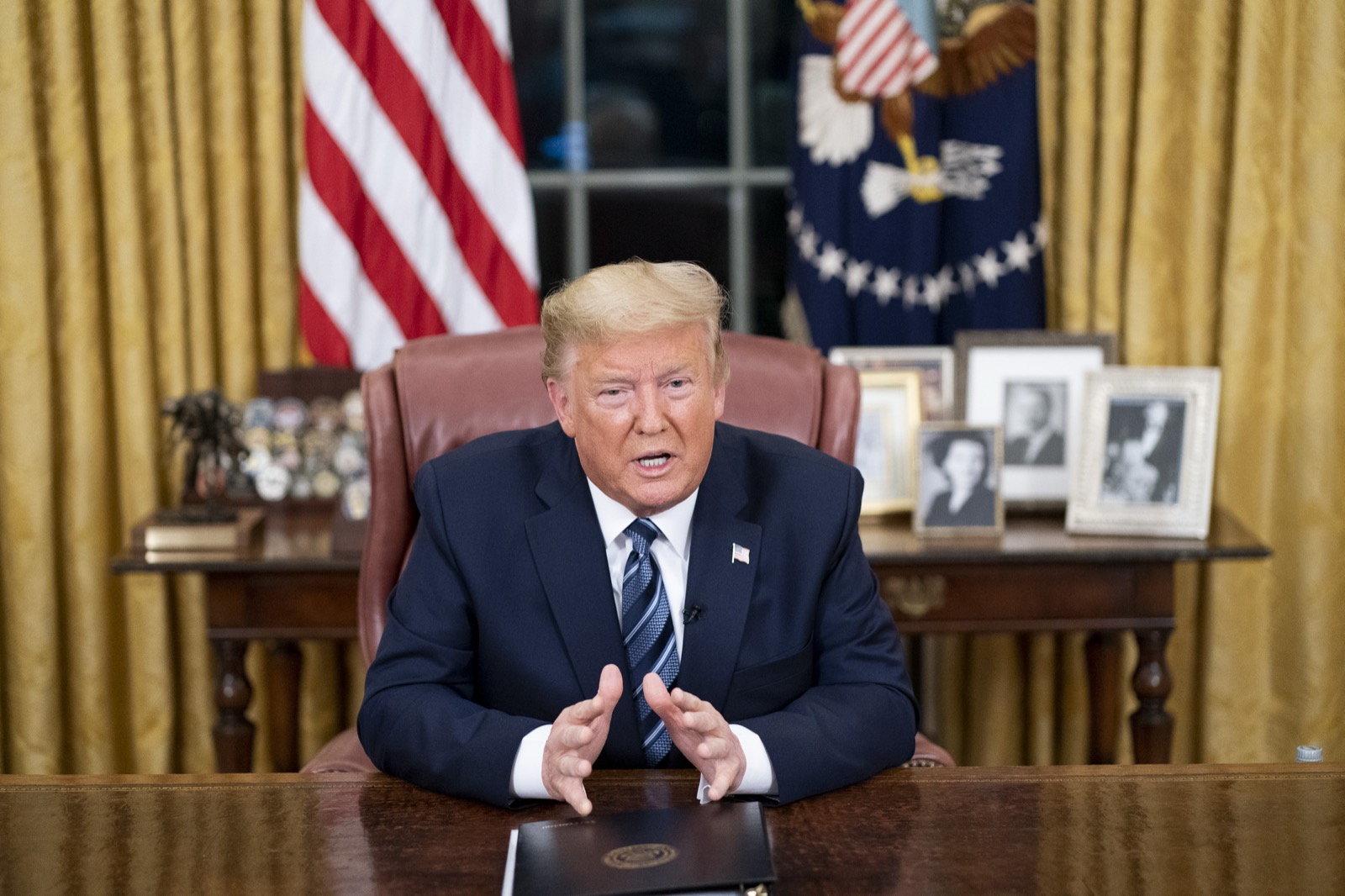
At nine o'clock on the night of Thursday, July 16, 2026, the President of the United States stood in the East Room of the White House and told the country that its voting machines are "vulnerable" and "easily compromised," and that "people within our government knew that."
Two of the three legacy broadcast networks declined to carry him live. ABC, NBC, and CNN all passed, with CNN's Kaitlan Collins telling viewers the network wouldn't take the feed "given the president has a well-documented history of saying blatantly false things about elections." They knew what was coming because everyone knew what was coming. The White House had teased the address for two days as a bombshell about foreign interference in 2020 — an election held six years ago, which he lost, which sixty-some courts and his own attorney general and his own cybersecurity agency said was clean, and which he has never for one hour stopped relitigating.
The speech delivered what the reruns always deliver. A number that sounds precise and means nothing: China supposedly acquired "220 million U.S. voter files" — voter data that is largely public record, purchasable in most states. A villain inside the government: "members of the deep state" who "work[ed] to actively suppress and downplay" the truth, whom he ordered his Justice Department and his FBI director to prosecute. A demand that Congress fix the imaginary problem with a real law restricting who can vote. And a conclusion written before any evidence was gathered: the system is "so broken" that "no one can possibly defend it."
Here is what the address did not deliver: anything new. The documents he declassified that same night — posted to a whitehouse.gov portal, curated by a task force whose most famous member, John Solomon, went on television the next day and acknowledged the intelligence shows "zero evidence" that a foreign power flipped a single vote in 2020, 2022, or 2024 — actually said the opposite of the speech. The January 2021 Intelligence Community Assessment in his own release found no indication that any foreign actor tried to alter any technical aspect of the 2020 vote. The documents he waved as proof of the crime are the documents that document its absence.
David Becker, the election-law expert, put the reviews in one sentence: "The White House promised a bombshell, and they delivered a dud."
But treating Thursday night as a failed news event misses what it was. It was not a news event. It was a rerun — the latest broadcast of the longest-running production in Donald Trump's repertoire, a con he has run against every electorate that ever presumed to judge him. The script has one rule and he has never broken it: if he wins, the election was clean; if he loses — or might lose — it was rigged. Heads I won. Tails you cheated.
The archive has the receipts, going back fourteen years. Walk them in order and the July address stops looking like madness and starts looking like what it is: a professional running his best material, one more time, with better production values and vastly more dangerous props.
The apprenticeship: 2012
He wasn't even a candidate the first time.
On election night 2012, as Barack Obama defeated Mitt Romney, the host of The Celebrity Apprentice — a private citizen with a Twitter account — called for "revolution" and a march on Washington, declaring the election a sham. Obama had won the popular vote and the Electoral College. There was nothing to contest and no standing to contest it. The claim wasn't the point. The performance was the point: a man auditioning the role of the wronged party in a stolen election, years before he had anything on the ballot.
And then the tell — the one that gives away every con that follows. Ten weeks later, with the cameras elsewhere, he wished Obama luck on the second term. The travesty, the sham, the revolution: dropped, the way a salesman drops a pitch that didn't close. The outrage was never a belief. It was inventory.
First marks: the 2016 primaries
The first people Donald Trump told that an election had been stolen from him were not Democrats. They were Republicans.
February 2016: he loses the Iowa caucuses to Ted Cruz — his first real electoral test, his first real electoral loss — and within hours claims Cruz "stole" Iowa and demands a new election. April 2016: Cruz out-organizes him at the Colorado delegate convention, and the rules become "rigged," the system "crooked". Note the shape: no evidence offered in either case, no process pursued to conclusion, no retraction when the claims went nowhere. The claim's function was never to overturn a result. It was to explain a loss without ever containing the word lost.
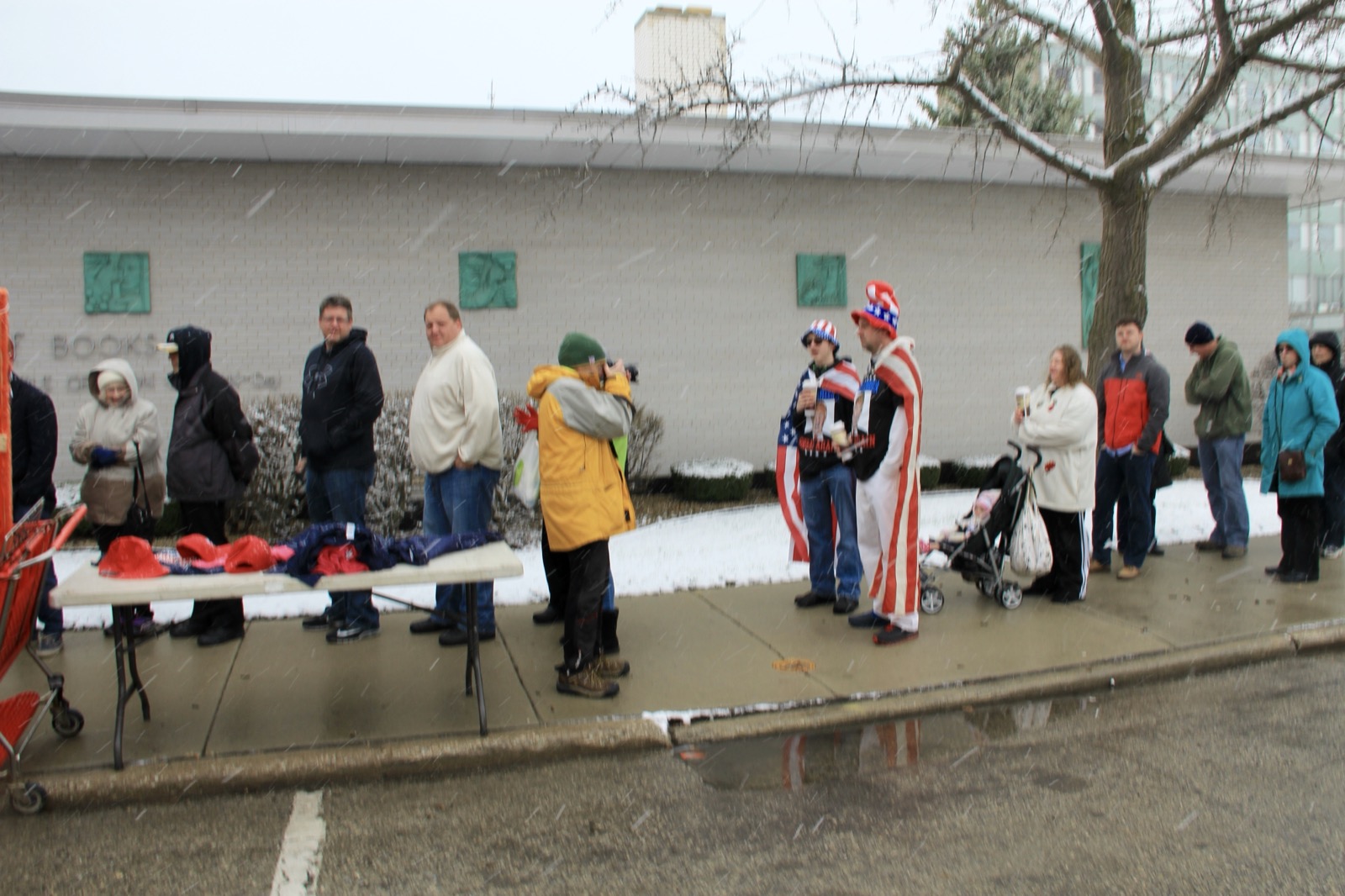
The insurance policy: 2016
By the general election, the improvisation had hardened into method, and the method was purchased in advance like insurance.
At the third debate, asked the most basic question American democracy has — will you accept the result? — the Republican nominee answered: "I will keep you in suspense." The next day he clarified the terms of the policy: he would accept the results "if I win." He said it as a joke. It was not a joke. It was the entire epistemology, stated plainly to a laughing crowd: the outcome determines the legitimacy, never the other way around.
On Election Day itself — before any result existed — his campaign sued a Nevada county over "rigged" voting hours. The fraud claim was pre-positioned, ready to deploy against a loss that never came.
And then came the purest demonstration in the whole record, the one that proves the con doesn't even require losing. He won — and kept the fraud claim anyway. Three weeks after winning the presidency, he tweeted that he would have won the popular vote too "if you deduct the millions of people who voted illegally." Millions of illegal votes, in an election he won, asserted with no evidence by the president-elect against his own victory. He then empaneled a federal commission that demanded voter-roll data from all fifty states to find those millions. The millions have never been documented — a decade later, PolitiFact was still rating the "millions of illegals" claim Pants on Fire as he recycled it for a new cycle. The commission's work product survives only as the template it established: assert the fraud, weaponize the federal apparatus to hunt for it, produce nothing, repeat the assertion.
Heads, I won — and they still cheated. The coin has no tails side at all.
The full production: 2020
Everything before 2020 was off-Broadway. In 2020 the con got a federal budget, a captive party, and nine weeks of runtime — and when the run ended, a mob.
It began, as always, before a single vote was counted. In July, trailing in the polls, he floated delaying the election itself over invented mail-ballot fraud. In September he refused to commit to a peaceful transfer of power — "get rid of the ballots", he suggested, and there would be no transfer at all, merely a "continuation." The insurance policy from 2016, renewed with a bigger payout.
Election night executed the script with theatrical precision. At 2:30 in the morning, with millions of legal ballots uncounted, he walked into the East Room — the same room as this July's address — and falsely declared victory, demanding that counting stop. As the count continued and turned, the demands inverted hour by hour: STOP THE COUNT where he was losing, keep counting where he was gaining — the naked, simultaneous assertion that ballots were legitimate exactly insofar as they were for him. By Thursday he stood in the White House briefing room to announce that "if you count the legal votes, I easily win" — legal now formally defined as mine. Ten days later: "I concede NOTHING!"
Then the production turned on the referees, and this is the section of the record that July 2026 rhymes with most exactly.
His own government's election-security chief, Chris Krebs, called 2020 "the most secure in American history." Trump fired him by tweet for saying so. His own attorney general, Bill Barr, said the DOJ found no evidence of fraud that could change the outcome — and within two weeks Barr was gone, having refused to seize voting machines. The seizure idea didn't die with Barr's resignation; it migrated to an unhinged December 18 Oval Office meeting where Michael Flynn and Sidney Powell pitched martial law and military re-runs of the election. When the DOJ's leadership resisted inventing the fraud, he told them their job was simpler than evidence: "Just say the election was corrupt and leave the rest to me and the Republican congressmen."
The pressure ran down every wire in the federal system and out into the states: Michigan's legislative leaders summoned to the White House, Georgia's governor called and told to convene a special session, Pennsylvania's House speaker called and asked, directly, how to overturn the result. And on January 2, the call that will be quoted as long as this era is studied: Georgia's secretary of state, Brad Raffensperger, told to "find 11,780 votes."
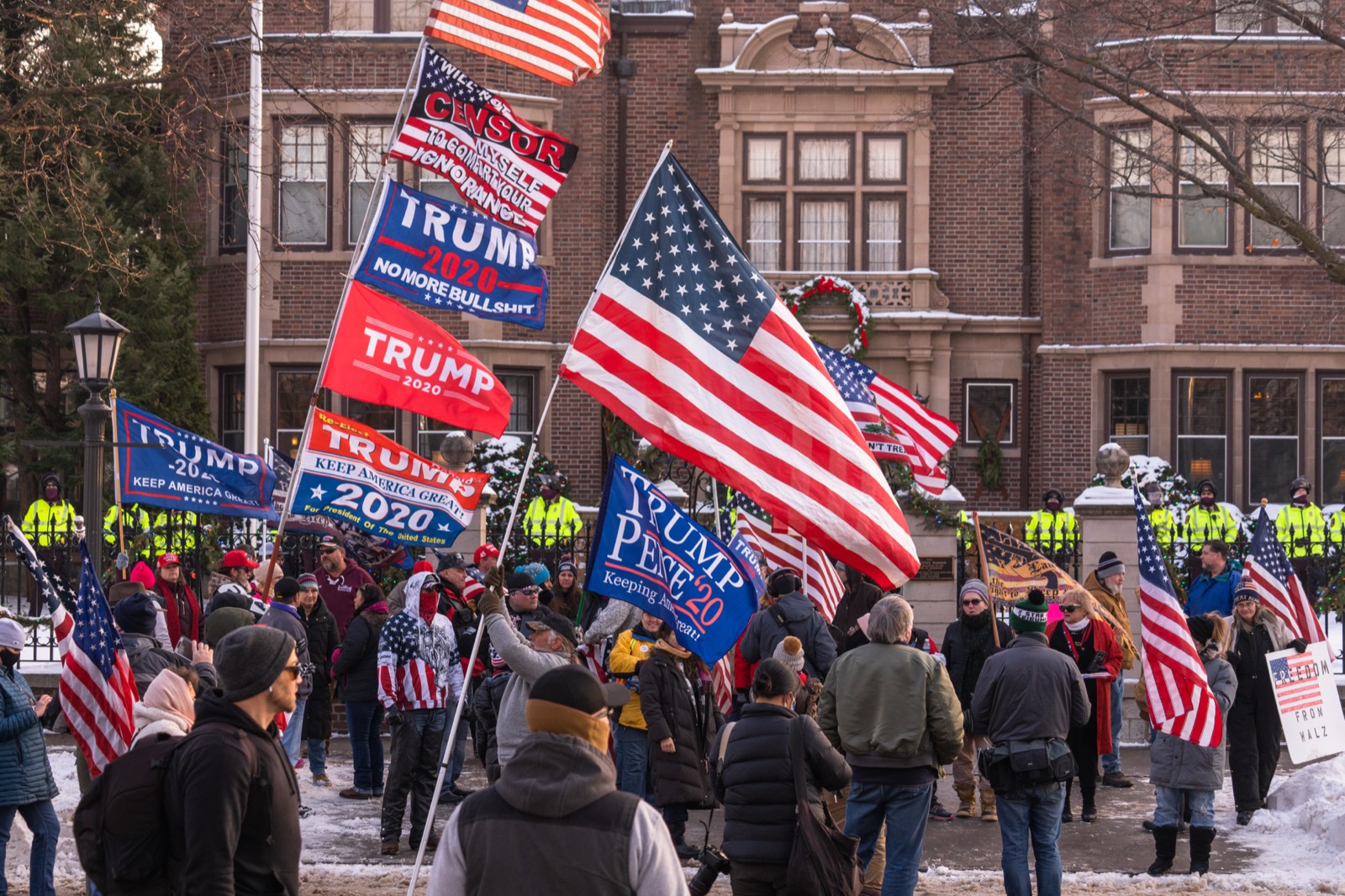
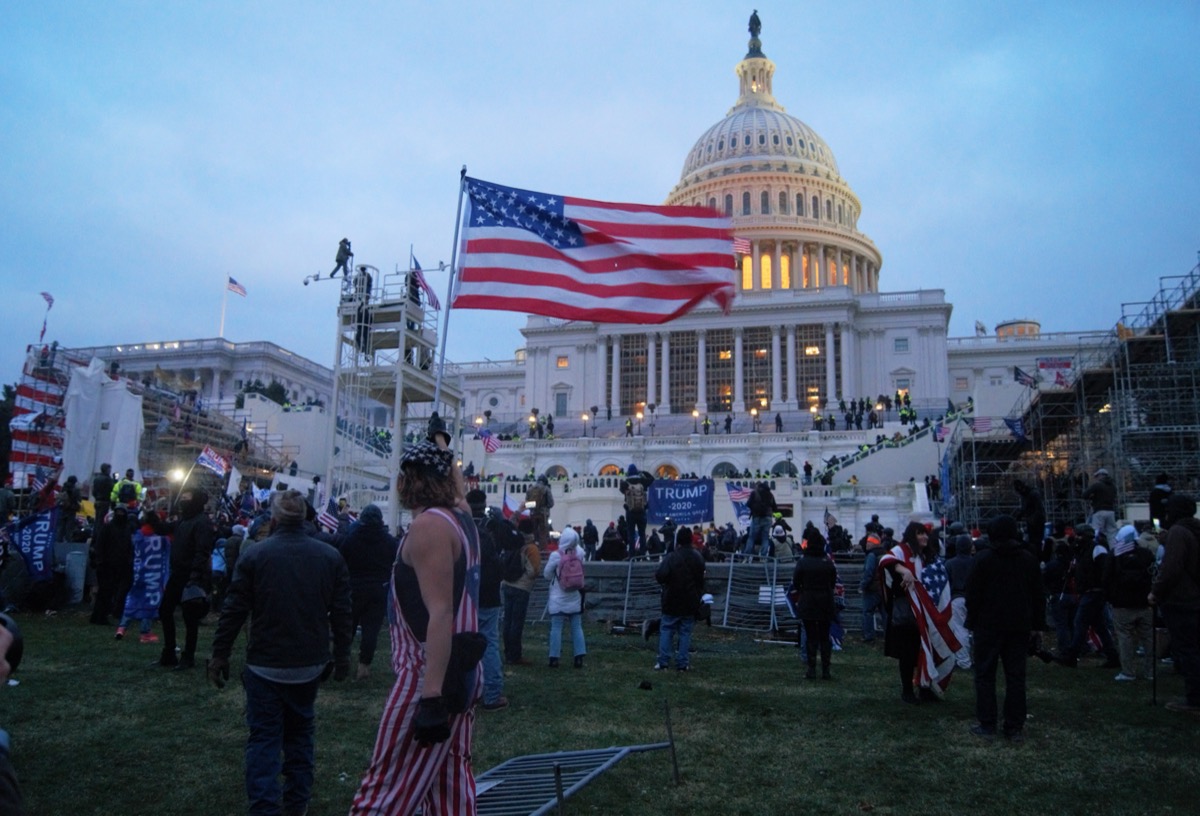
None of it worked, because in 2020 the referees held. So on January 6 he put the marks on the field. At the Ellipse he told a crowd that had been marinated in nine weeks of stolen-election programming: "We will never concede" — and directed them at the Capitol, where Congress was performing the ministerial act of counting. Within hours a mob was chanting "Hang Mike Pence" as the Vice President was evacuated.
And because this is Griftbook, do not skip the invoice. The stolen-election story was not just an alibi — it was a product, monetized in real time. Beginning the morning after the election, the "Election Defense Fund" raised some $255 million from supporters told their donations would fight the fraud. The January 6th Committee later called it the "$250 million Big Rip-off": the fund, as described to donors, did not exist. The con's oldest architecture, unchanged since Trump University: the lie is free to tell and the believing is billed.
Maintenance: 2021–2026
A con this valuable is not abandoned after a failed run. It is maintained, like a franchise between installments.
The Arizona "audit" — Cyber Ninjas combing ballots for bamboo fibers — was "brave and patriotic". The 2022 rallies replayed "rigged and stolen" to warm the base between cycles. When a Manhattan jury convicted him on 34 felony counts in 2024, the verdict joined the elections: the trial was "rigged," he a "political prisoner" — rigged by now a universal solvent applied to any institution that returns an unwelcome result. Juries, caucuses, delegate rules, general elections, Emmy voters if it comes to that: the mechanism never matters, only the verdict.
Then 2024, and the tell rang out one more time, loudest of all: he won, and the machines were fine. The same voting infrastructure he now calls "easily compromised" delivered him the presidency twenty months before the July address, and he accepted its output without an audit, a lawsuit, or a doubt. No address to the nation was scheduled about the security of the 2024 count. Within hours of taking the oath he was repeating the 2020 lies in the Capitol rotunda — the election he'd just won validating him, the one he'd lost still stolen, both claims delivered from the same podium with no felt contradiction. By the fifth anniversary of January 6 he stood before a GOP retreat calling American elections "crooked" and "corrupt" — having won the most recent one.
The 2026 material arrived on schedule as the midterms did: Virginia's redistricting election, "rigged"; California's elections, "rigged," with a federal investigation announced; American elections generally, "rigged," requiring sweeping new voting restrictions. Every one of these claims about elections he isn't on the ballot for, four months before a midterm that polling suggests he could lose the House in. The insurance policy, renewed again — the fraud narrative always purchased before the loss it is meant to explain.
The rerun, with the scoreboard: 2026
So the July 16 address was, verbatim, material the country has heard since 2012. What is new is not the script. What is new is that the man reciting it now owns the theater — and the difference between 2020 and 2026 is the difference between demanding the referees cheat and replacing them.
Consider what the six months before the address already looked like. In January, FBI agents raided the Fulton County elections hub and seized 700 boxes of 2020 ballots — the county he demanded "find" votes in — while the DOJ's lawsuit count against states refusing to surrender voter-roll data reached 23. In February he called for Republicans to "nationalize" election administration and demanded federal takeover of elections in 15 states. In July, the administration threatened states with criminal charges and funding cuts over their election practices; he purged the Democratic members of the Election Assistance Commission when they resisted his citizenship-documentation push; he held a bipartisan housing bill hostage to the SAVE Act's voter-ID demands; and DHS kept building a voter database that a federal judge had already found unlawful. In 2020, the system's answer to "find me the votes" was no. The 2026 project, in plain sight, is to make sure the people answering next time say yes.
The address itself was staged with the machinery's help. The day before, the chairman of the FCC — the agency that licenses broadcasters — went on television to say networks "should want" to carry the speech, a sentence whose regulatory shadow needs no elaboration. When ABC, NBC, and CNN declined anyway, the president spent the next evening threatening to revoke ABC's and NBC's broadcast licenses — the state's licensing power aimed at newsrooms for the offense of editorial judgment about a speech attacking the state's own elections. The FCC's lone Democratic commissioner called it what it is: "a naked attempt to bully broadcasters."
And the claims themselves came pre-wired to enforcement. The "278,000 noncitizens" figure — a DHS number with no disclosed methodology, which the department's own fuller matching exercise reduced to a fraction — was rebutted within a day by the officials who actually run elections, Republicans included: Pennsylvania's Al Schmidt reiterating that noncitizen voting is "extremely rare," Nevada's office calling the numbers "wildly speculative at best." The Michigan case he said the "Biden Department of Justice slow walked... and killed" was, per the FBI document in his own release, closed because investigation found no criminal violation — the attempted registration fraud was caught by the very safeguards he says don't exist, and not one fraudulent ballot was cast. The "deep state" that hid China's meddling is an accusation against intelligence officials whose supposed cover-up was published, declassified, in March 2021 — and it now carries a presidential directive to Kash Patel's FBI and the DOJ to prosecute.
That last item is the one to sit with. In 2021, "Just say the election was corrupt" was an instruction his DOJ refused. In 2026 it is standing policy, said on live television, with named enforcers.
The morning after the address, the follow-through arrived with the speed of something scheduled. The Secretary of Homeland Security held a press conference to tell state election officials that if they declined to run their voter rolls through DHS's database — the one a federal court found unlawful — they could face fines, penalties, "and even, depending on how far it goes, prison." Prison. For election officials. For not submitting their voters to a system built on a number the officials themselves had just rejected on the record, across party lines — Arizona's Adrian Fontes: "I have seen zero new facts. I have seen zero evidence backing any of these claims." New Hampshire's Republican secretary of state, reviewing a DHS letter, landed on the description history will likely borrow: "a temper tantrum disguised as an official letter."
The mark is the count itself
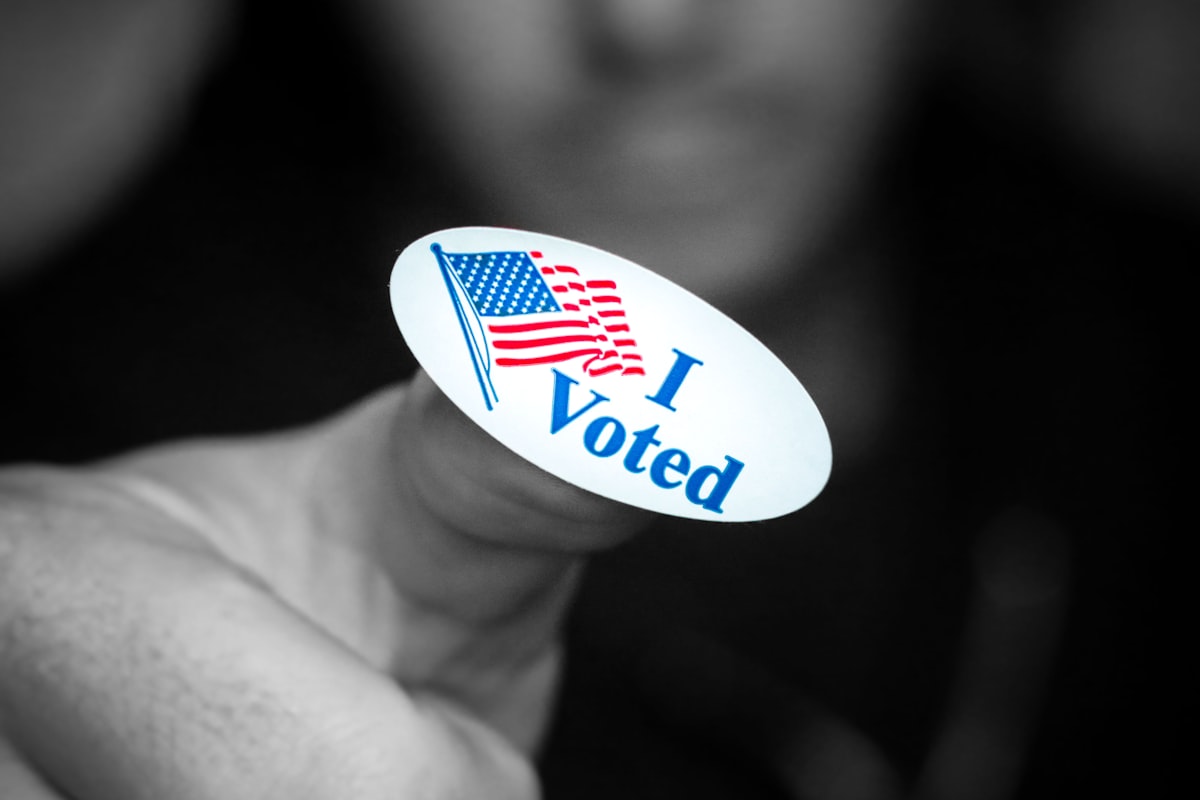
Fourteen years. Six election cycles. One script. A private citizen calls Obama's re-election a sham, then quietly wishes him luck. A primary candidate cries theft in Iowa and Colorado. A nominee will keep us "in suspense." A winner invents millions of illegal votes against his own victory. A loser demands officials find him votes, fires the officials who certify the truth, monetizes the grievance at $255 million, and aims a mob at the count. A convict is a political prisoner. A re-elected president accepts the machines that elected him and, twenty months later, goes on primetime television to say those same machines are easily compromised — citing declassified documents that say they aren't.
The through-line is not a belief about election security. He has no belief about election security; the man who won in 2024 filed no complaint about the system he indicts in 2026. The through-line is the con: a permanent, pre-positioned explanation for any outcome he dislikes, maintained between losses like a standing set, funded by its own audience, and now — this is the 2026 difference — installed as the operating premise of the federal government's election apparatus, with the FBI raiding county election offices, DHS threatening administrators with prison, the FCC's shadow falling on newsrooms that decline to air it, and the DOJ ordered to prosecute the intelligence officials whose published work contradicts it.
The midterms are in November — elections he has already, in advance, on the record, declared rigged. That is the point of the primetime address, and of the whole fourteen-year rerun it capped. The claims are not predictions that might be wrong. They are the insurance policy he has bought before every count of his adult political life, and this time he holds the machinery that pays out. When the votes are counted this fall, the conclusion was broadcast in July, from the East Room, in primetime: heads he won.
Tails, you cheated.