He Sued the Government He Runs
A $10 billion lawsuit against his own IRS, settled with himself, for a $1.776 billion fund to pay his allies — and permanent immunity from the auditors.
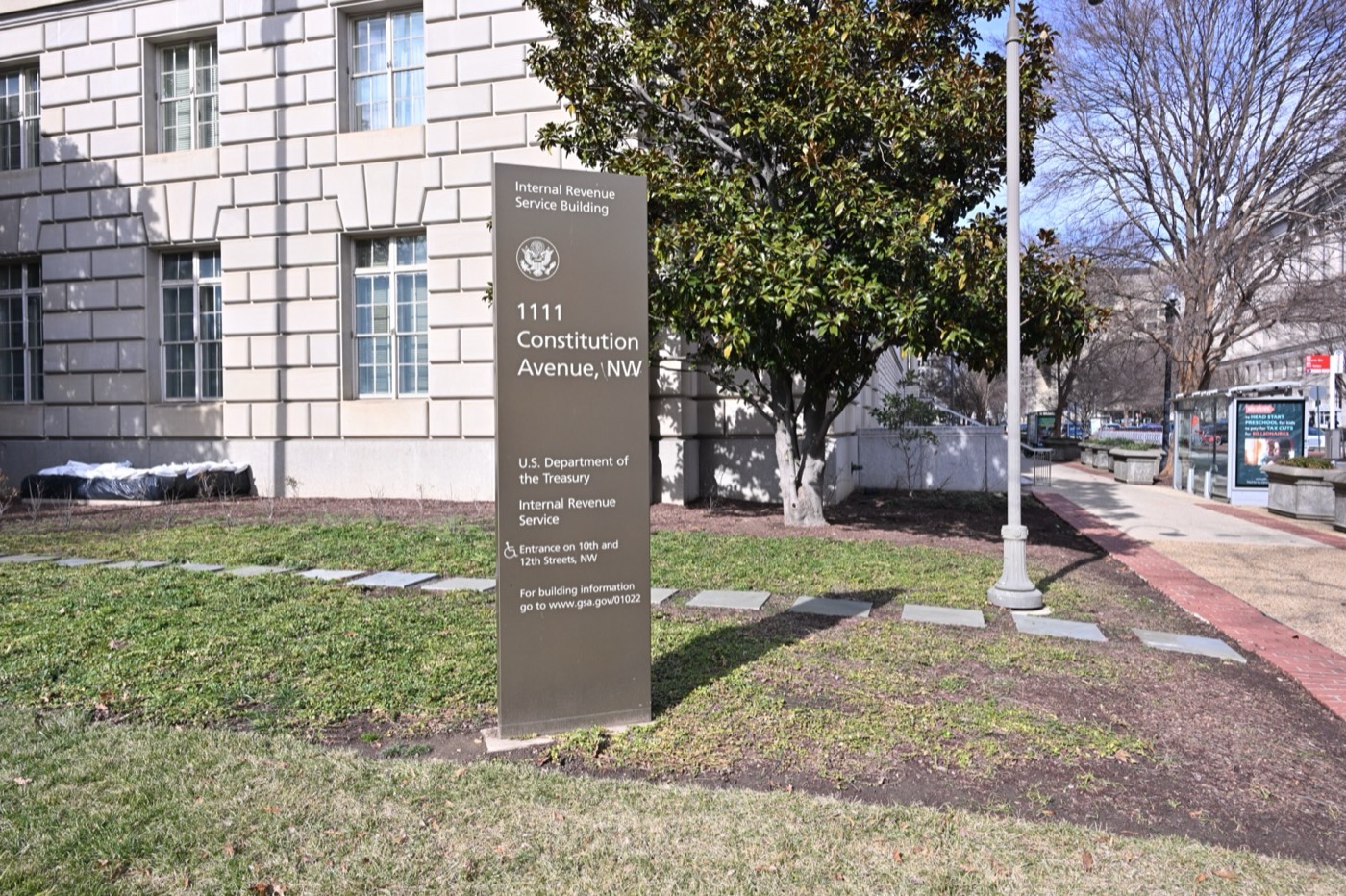
The settlement order is one page long.
One page, issued by the Department of Justice, signed under acting Attorney General Todd Blanche — the president's former personal defense lawyer — declaring that the United States government is "forever barred and precluded" from auditing the past tax returns of Donald Trump, his family, and the Trump Organization.
No other American has this. No other American has ever had this. You can be audited. Your business can be audited. The president of the United States — the man whose leaked returns showed $750 in federal income taxes paid in 2016 and again in 2017 — cannot, not for anything he filed before, not ever.
That one page is the end of a story that took five months to build. It is worth walking through slowly, because every step is documented, and because the steps only make sense together. Separately, each is a scandal. Together, they are a machine.
Part I: The plaintiff
In January 2026, Donald Trump — in his personal capacity, joined by his two eldest sons and the Trump Organization — filed a lawsuit in federal court in Miami against the Internal Revenue Service and the Treasury Department. The claim: unauthorized disclosure of his tax returns during his first term, the leak that let the public learn what he actually paid. The demand: ten billion dollars, at minimum.
Hold the structure of that in your mind. The IRS answers to the Treasury. The Treasury answers to the president. The lawsuit's defense would be conducted by the Department of Justice. The Justice Department answers to the president. The plaintiff was suing agencies under his own executive control, which means the plaintiff was also, functionally, the defendant's boss.
Legal experts said at filing that the suit raised "a plethora of legal and ethical questions." That was January. The questions got answers.
Part II: The negotiation with himself
In April, Trump's lawyers filed a motion requesting a 90-day pause — the parties wished to discuss settlement.
Read the sentence again. The parties. On one side of the table: Donald Trump's personal lawyers. On the other: the Department of Justice, run by his appointees, defending agencies he commands. The president was entering settlement negotiations in which he controlled both sides of the table, and the money on that table was yours.
By mid-May the shape of the deal surfaced: Trump would drop the $10 billion claim in exchange for a taxpayer-funded commission of roughly $1.7 to $1.8 billion to compensate people who claimed they had been wrongly targeted by the previous administration — approximately 1,600 people, including defendants charged in connection with January 6.
His lawsuit. His grievance. Other people's money, flowing to his allies.
There is a name for a lawsuit where both sides want the same outcome: collusive. American courts have policed collusive litigation for two centuries, because a settlement is a court order, and a court order procured by two parties working the same side is a way to launder policy through a judge's signature. What surfaced in May was precisely that shape — a "dispute" in which the plaintiff appointed the defense, the defense answered to the plaintiff, and the resolution both sides wanted required only that nobody in the room object.
Nobody in the room objected.
Part III: $1,776,000,000
On May 19, the Justice Department announced it: the "Anti-Weaponization Fund." A five-person commission. Claims processed through December 2028. And a price with a wink in it — not $1.7 billion, not $1.8 billion, but $1.776 billion. Whoever set that number wanted you to see the flag behind it.
The White House claimed there had been "numerous other occasions over the years" when the government created funds like this. PolitiFact rated the claim false. The Justice Department could cite exactly one case as precedent — and the lead attorney from that case said on the record that it "does not remotely provide precedent" for this.
Three days later came the one-page order — the permanent audit immunity for Trump, his family, and his companies. A former IRS official put it plainly: "This is an unprecedented remedy. Trump should be treated like every other American."
Count what the settlement of his own lawsuit delivered him: $1.776 billion in taxpayer money directed to a claims process for his political allies, and a lifetime exemption from the tax enforcement every other American lives under. The leak of his returns had cost him embarrassment. The lawsuit about the leak bought him impunity.
Part IV: The pushback
The system did not absorb this quietly — and the first people through the courthouse door were the ones the fund's name insulted most directly.
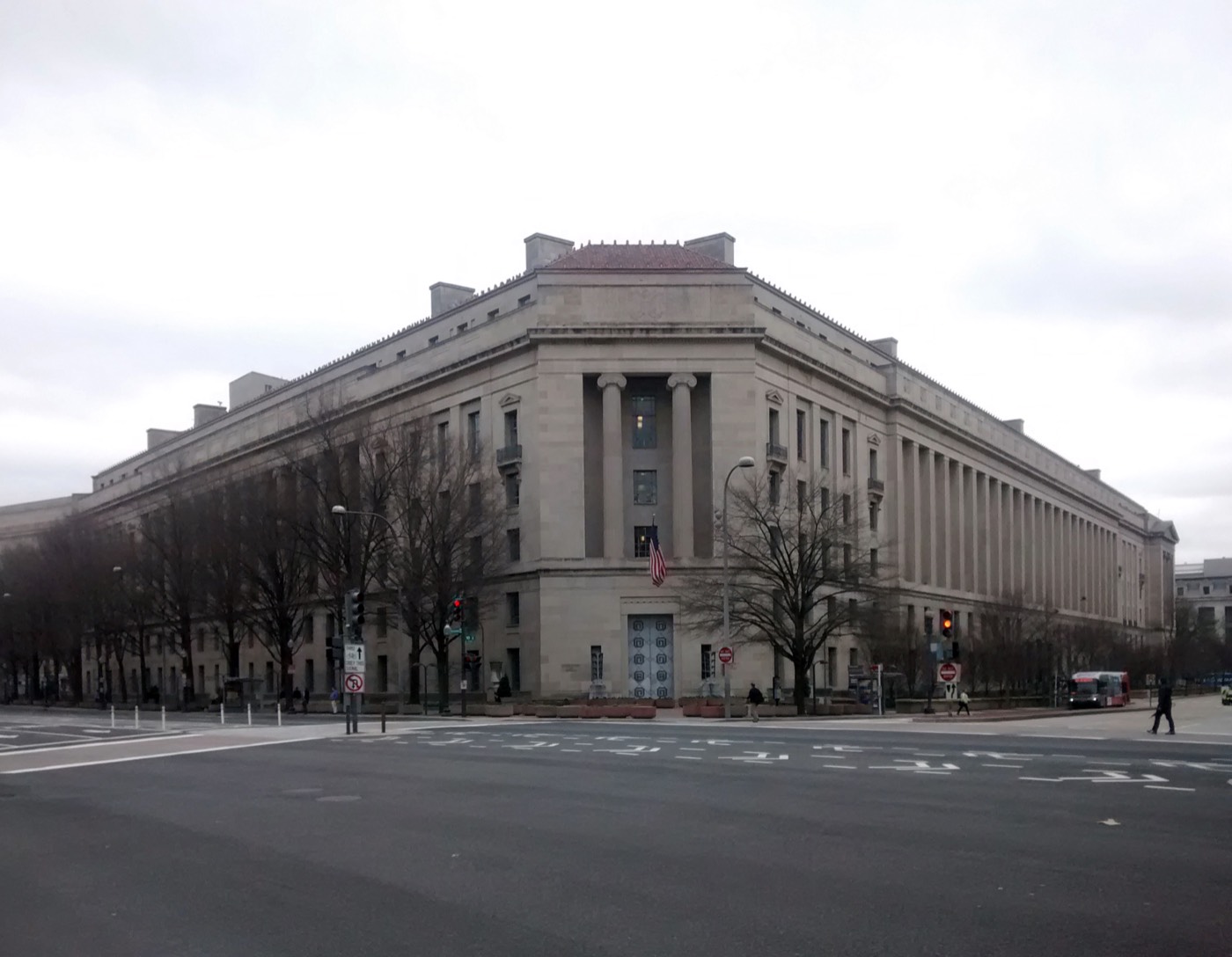
Harry Dunn and Daniel Hodges defended the Capitol on January 6. Officer Hodges was crushed in a doorway on camera; Officer Dunn testified to the racist abuse hurled at him by the mob. On May 20, the two sued in federal court in the District of Columbia to block a fund that would compensate, among its roughly 1,600 intended beneficiaries, the very defendants charged for that attack. Their filing called it "the most brazen act of presidential corruption this century."
Within two days, a coalition of people actually targeted by this administration's Justice Department sued to dissolve the fund, pointing out that a "weaponization" compensation fund somehow applied only to grievances against Democratic administrations. Representatives Jamie Raskin and Richard Neal demanded answers from Treasury, Justice, and the IRS, writing: "Never in American history has a president pursued corruption this brazenly or on such a colossal scale."
On May 29, U.S. District Judge Leonie Brinkema temporarily blocked all payments from the fund, finding "sufficient concerns about the lack of oversight and potential for abuse."
And in June, twenty-three state attorneys general filed a brief in the Miami court alleging "egregious misconduct" — calling the lawsuit and settlement "nothing more than a collusive fraud engineered to violate the constitutional limits on presidential authority."
Even the president's own party flinched — briefly, and at a price. Senator Thom Tillis called the fund "stupid on stilts" and "a payout pot for punks." Within days Trump was on Truth Social calling him "weak and ineffective," a "RINO," a "quitter" — the standard tariff for Republican dissent. Note what the exchange establishes: inside the president's party, the objection was priced not in argument but in retaliation. The fund's premise — that government power had been weaponized against the innocent — was defended by weaponizing the party against the objector.
Collusive fraud. Not a metaphor: the legal claim is that the lawsuit was never adversarial at all — that a president sued himself, settled with himself, and called the result justice.
The pressure told. On June 3, Blanche testified before a House Appropriations subcommittee that the Justice Department would permanently abandon the fund. Then, on June 19, the same department refused to submit the court-ordered sworn declarations — from Blanche, from Associate Attorney General Stanley Woodward, from Treasury Secretary Scott Bessent — affirming that the fund would not proceed. Abandoned in testimony; unsworn in court. Believe whichever you like.
What the machine teaches
Strip the case to its mechanism and it generalizes.
Consider first what this was not. It was not embezzlement — no one carried cash out of the Treasury. It was not a bribe — no envelope changed hands. Every instrument in the sequence was a legitimate one: a civil complaint, a stay motion, a settlement, a claims commission, a consent order. That is what makes the case worth studying rather than merely condemning. The corruption alleged by twenty-three attorneys general did not break the machinery of government; it operated the machinery, with one man's hands on both levers.
A personal grievance enters the system as litigation. The litigation is resolved by subordinates. The resolution converts public money into private and political benefit — payouts for the loyal, immunity for the principal. When the courts and the states push back, the pushback itself becomes the next grievance, proof of the "weaponization" the fund was named for.
And notice what survived the retreat. The fund — the loud part, the part with the flag in its price — was blocked, then disavowed, then left carefully unsworn. The audit immunity — the quiet part, the one-page order — was never touched. The $1.776 billion was always the headline. The impunity was the point.
The one-page order is public. The docket is public. Every step of this was announced, filed, or signed in daylight. That is the point of writing it down in one place: not to reveal a secret, but to refuse the fog. He sued the government he runs, and the government he runs said yes.